
Shoulder pain can make even the simplest daily activities feel frustrating and uncomfortable. Tasks such as reaching overhead, lifting groceries, getting dressed, carrying children, working at a computer, or even sleeping on your side can become difficult when chronic shoulder pain limits your range of motion. Whether your discomfort stems from repetitive use, a sports injury, poor posture, or age-related wear and tear, persistent shoulder pain can interfere with your work, hobbies, and overall quality of life. Left untreated, it may worsen over time, leading to increased stiffness, reduced strength, and difficulty performing everyday activities.
At First Stop Chiropractic, we understand how debilitating chronic shoulder pain can be and are committed to helping patients find effective, non-surgical solutions. One of the advanced treatments we offer is Shockwave Therapy, a non-invasive procedure that uses acoustic waves to stimulate the body’s natural healing process. By promoting circulation, encouraging tissue repair, and reducing pain, Shockwave Therapy may help improve shoulder function and restore mobility. When combined with chiropractic care, rehabilitation exercises, and personalized treatment plans, this innovative therapy can help patients return to their daily routines with greater comfort, confidence, and long-term relief.
The shoulder is one of the body’s most complex and mobile joints, allowing you to perform a wide range of movements such as lifting, reaching, pushing, pulling, and rotating your arm. This remarkable flexibility is essential for everyday activities, sports, and work-related tasks. However, because the shoulder relies on a network of muscles, tendons, ligaments, and bones working together, it is also more vulnerable to overuse, repetitive strain, injuries, and age-related degeneration than many other joints.
Chronic shoulder pain is generally defined as discomfort that lasts for more than three months or persists despite conservative treatments such as rest, ice, medication, or physical therapy. The pain may develop gradually from repetitive motions or overuse, or it may begin after an injury such as a fall or sports accident. Without proper diagnosis and treatment, chronic shoulder pain can worsen over time, leading to stiffness, reduced strength, limited range of motion, and difficulty performing everyday tasks that once felt effortless.
Common symptoms include:
Persistent shoulder pain
Stiffness
Limited range of motion
Weakness
Pain when lifting the arm
Difficulty sleeping on the affected side
Clicking or popping sensations
Pain during sports or work activities
Without proper treatment, these symptoms may continue to interfere with everyday life.
Several conditions may contribute to long-term shoulder discomfort.
Rotator Cuff Tendinopathy
The rotator cuff consists of four muscles and tendons that stabilize the shoulder. Repetitive overhead movements, aging, or overuse can irritate these tendons, causing pain and weakness. According to the Mayo Clinic, rotator cuff injuries are among the most common causes of shoulder pain and may worsen without appropriate treatment,
Calcific Tendinitis
This condition develops when calcium deposits accumulate within the shoulder tendons. The deposits may trigger inflammation, cause significant pain, and restrict normal shoulder movement. Shockwave Therapy is frequently recommended as a conservative treatment option because it may help break down these calcium deposits while promoting the body’s natural healing response.
Frozen Shoulder (Adhesive Capsulitis)
Frozen shoulder causes the shoulder capsule to become thickened and stiff, leading to progressive pain and significant loss of motion. According to Johns Hopkins Medicine, frozen shoulder typically develops in three phases—freezing, frozen, and thawing—and recovery often takes several months. Early treatment can help improve mobility and reduce discomfort.
Shoulder Bursitis
Inflammation of the bursae—small fluid-filled sacs that cushion the shoulder—can cause pain during movement and tenderness around the joint. Repetitive activities and prolonged pressure on the shoulder commonly contribute to bursitis.
Shoulder Impingement Syndrome
When shoulder tendons become pinched beneath the acromion during arm movement, irritation and inflammation may develop, making overhead activities painful. Without treatment, continued irritation may increase the risk of tendon damage.
Arthritis
Degenerative joint changes associated with osteoarthritis may gradually wear away cartilage, leading to chronic pain, stiffness, and decreased mobility. The Cleveland Clinic explains that osteoarthritis is the most common type of arthritis and occurs when the protective cartilage within a joint gradually breaks down, making movement increasingly painful over time.
Several factors increase the likelihood of developing chronic shoulder conditions, including:
Aging
Repetitive overhead work
Sports such as baseball, swimming, or tennis
Poor posture
Previous shoulder injuries
Heavy lifting
Muscle imbalances
Diabetes (which increases frozen shoulder risk)
Recognizing these risk factors can help individuals seek treatment before symptoms become more severe.
Shockwave Therapy, also known as Extracorporeal Shockwave Therapy (ESWT), is an advanced, non-invasive treatment that uses controlled acoustic (sound) waves to target injured or painful soft tissues. Originally developed to treat kidney stones, this technology has evolved into an effective therapy for a variety of chronic musculoskeletal conditions, particularly those involving tendons, ligaments, muscles, and connective tissues.
Unlike electrical stimulation or other passive therapies, Shockwave Therapy delivers high-energy sound waves deep into the affected area. These acoustic waves stimulate the body’s natural healing response by increasing blood circulation, encouraging cellular repair, promoting collagen production, and reducing inflammation. The treatment also helps break down scar tissue and calcifications that may contribute to chronic pain and restricted movement.
Shockwave Therapy is commonly recommended for patients with long-standing musculoskeletal conditions that have not responded well to traditional conservative treatments such as rest, medication, physical therapy, or activity modification. By addressing the underlying cause of pain rather than simply masking symptoms, it offers a non-surgical option for improving mobility, reducing discomfort, and supporting long-term recovery.
Shockwave Therapy promotes healing through several biological mechanisms.
Stimulates Blood Flow
Improved circulation delivers oxygen and nutrients to damaged tissues, supporting repair and recovery.
Encourages Tissue Regeneration
The acoustic waves stimulate cellular activity that helps repair injured tendons and soft tissues.
Breaks Down Calcifications
In patients with calcific tendinitis, Shockwave Therapy may help break apart calcium deposits that contribute to pain and restricted movement.
Reduces Pain Signals
The treatment may temporarily interrupt pain transmission while encouraging long-term healing.
Supports Collagen Production
Collagen is essential for healthy tendons and ligaments. Shockwave Therapy may stimulate collagen formation, strengthening damaged tissues during recovery.
Many patients choose Shockwave Therapy because it offers several potential advantages over more invasive treatment options.
Some benefits include:
Non-invasive treatment
No surgery required
Minimal recovery time
Drug-free pain relief
Improved shoulder mobility
Enhanced tissue healing
Short treatment sessions
Little interruption to daily activities
Because it targets the underlying source of pain rather than simply masking symptoms, Shockwave Therapy may provide longer-lasting relief for appropriate candidates.
Shockwave Therapy may be recommended for patients experiencing:
Chronic shoulder pain lasting several weeks or months
Rotator cuff tendinopathy
Calcific tendinitis
Frozen shoulder
Shoulder bursitis
Shoulder impingement
Tendon injuries
Sports-related shoulder pain
Reduced shoulder mobility
Pain that has not improved with rest or medication
A comprehensive evaluation helps determine whether this treatment is appropriate for your condition.
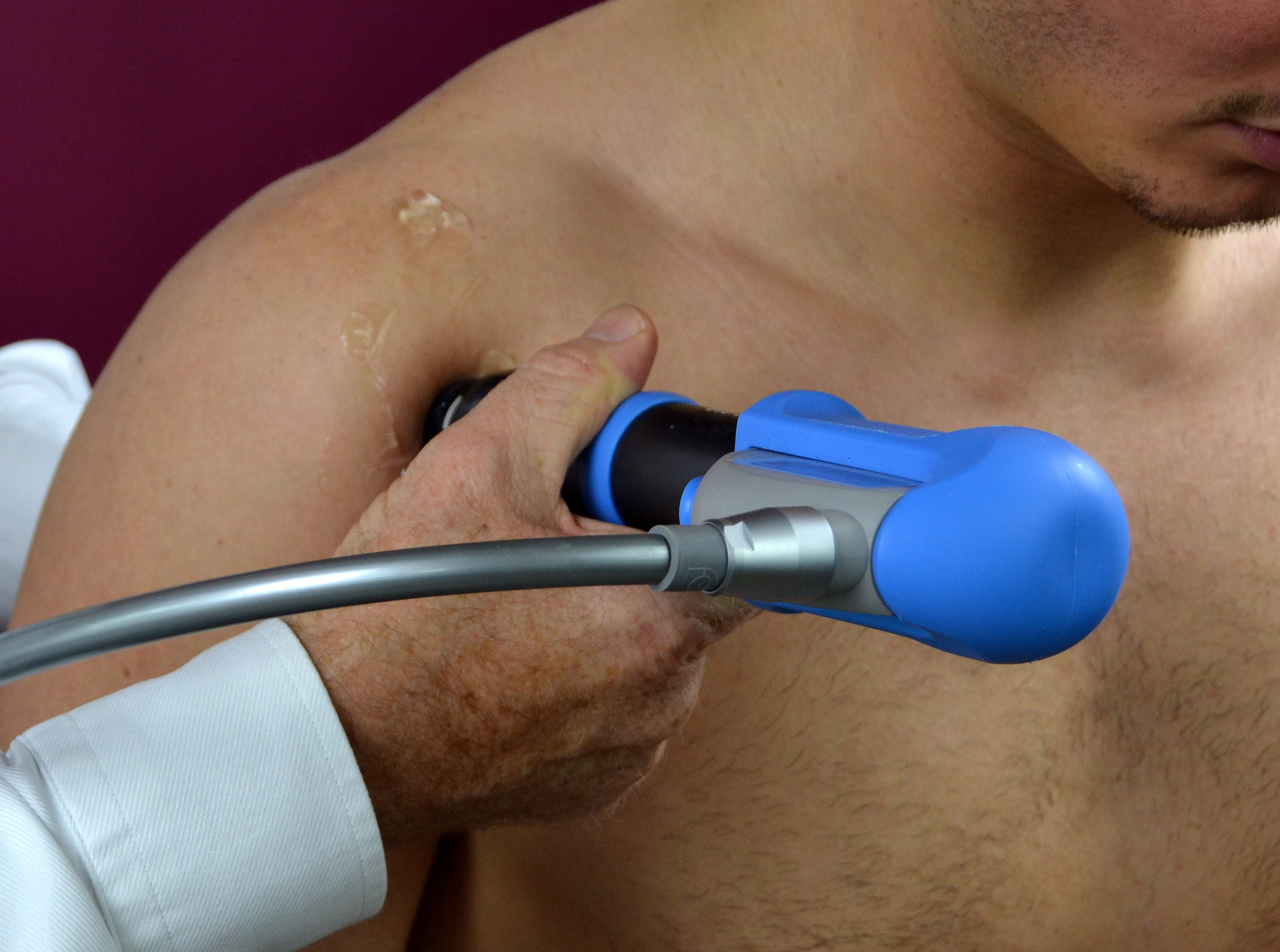
Shockwave Therapy appointments are typically quick and performed in the office.
During treatment:
The provider identifies the painful area.
A conductive gel is applied to the skin.
The handheld Shockwave Therapy device is placed over the treatment area.
Controlled acoustic waves are delivered to the injured tissues.
Most sessions last approximately 10 to 20 minutes, depending on the condition being treated.
Patients often describe the sensation as mild tapping or pulsing, though intensity may vary depending on the level of tissue sensitivity.
Most patients tolerate Shockwave Therapy well. Some mild discomfort may occur while the acoustic waves are delivered, particularly over areas of chronic inflammation.
However, the discomfort usually subsides shortly after treatment, and patients are generally able to resume normal daily activities immediately afterward.
The number of sessions varies depending on the severity and duration of the condition.
Many patients undergo a series of treatments scheduled over several weeks to maximize healing. Your provider will recommend a personalized treatment plan based on your diagnosis, symptoms, and recovery goals.
While Shockwave Therapy stimulates the body’s natural healing response, combining it with chiropractic care can provide a more comprehensive approach to recovery. Chiropractic adjustments help improve joint mechanics and spinal alignment, while Shockwave Therapy targets damaged soft tissues.
Together, these therapies may help:
Improve shoulder mobility
Reduce muscle tension
Restore joint function
Support proper posture
Enhance overall recovery
Your provider may also recommend stretching, strengthening exercises, and ergonomic modifications to help maintain long-term results.
Every patient heals differently, but many notice gradual improvement over the course of their treatment plan.
Typical recovery may include:
After the first session: Mild soreness may occur, similar to what is experienced after exercise.
Within a few weeks: Many patients report reduced pain and improved range of motion.
After completing treatment: Continued healing may occur for several weeks as the body repairs damaged tissues.
Following your provider’s recommendations can help maximize treatment outcomes.
Healthy habits can complement Shockwave Therapy and promote better healing.
Helpful strategies include:
Perform prescribed stretching exercises.
Maintain good posture throughout the day.
Avoid repetitive overhead movements when possible.
Apply ice if recommended after treatment.
Stay hydrated and eat a balanced diet.
Gradually return to activities as symptoms improve.
These simple steps may reduce strain on the shoulder and support long-term recovery.
While not every shoulder condition can be prevented, adopting healthy habits may reduce your risk of recurring pain.
Consider these tips:
Warm up before exercise or sports.
Strengthen the muscles that support the shoulder.
Practice proper lifting techniques.
Take breaks during repetitive activities.
Maintain good posture at work and at home.
Address shoulder discomfort early before it worsens.
Preventive care can help protect the shoulder joint and keep you active.
At First Stop Chiropractic, we take a personalized approach to musculoskeletal care. Every patient receives a thorough evaluation to identify the underlying cause of shoulder pain before creating an individualized treatment plan.
Our goal is to help patients:
Reduce chronic pain
Improve shoulder mobility
Restore function
Return to daily activities safely
Avoid unnecessary surgery whenever appropriate
Whether your shoulder pain is related to sports, work, or everyday wear and tear, our team is committed to helping you move more comfortably.
What conditions can Shockwave Therapy treat?
Shockwave Therapy is commonly used for chronic tendon injuries, rotator cuff tendinopathy, calcific tendinitis, plantar fasciitis, tennis elbow, Achilles tendinopathy, and other chronic musculoskeletal conditions.
Is Shockwave Therapy safe?
Shockwave Therapy is considered a safe, non-invasive treatment when performed by a qualified healthcare provider. Your provider will determine if it is appropriate based on your condition and medical history.
How long does each treatment session take?
Most appointments last between 10 and 20 minutes, depending on the area being treated.
Will I need surgery after Shockwave Therapy?
Many patients experience significant improvement with conservative treatments like Shockwave Therapy. However, treatment outcomes vary, and some severe conditions may still require additional medical evaluation.
Can I return to normal activities after treatment?
Most patients can resume normal daily activities immediately after treatment, although your provider may recommend temporarily avoiding strenuous activity.
How many Shockwave Therapy sessions will I need?
Treatment plans vary, but many patients benefit from a series of sessions scheduled over several weeks to encourage tissue healing and lasting symptom relief.
Chronic shoulder pain and limited mobility can interfere with work, exercise, sleep, and everyday activities. Fortunately, non-invasive treatments such as Shockwave Therapy offer an effective option for addressing the underlying causes of many chronic shoulder conditions. By stimulating the body’s natural healing process, improving circulation, and promoting tissue repair, Shockwave Therapy may help reduce pain and restore movement without surgery or lengthy recovery.
When combined with chiropractic care, therapeutic exercise, and healthy lifestyle habits, Shockwave Therapy can play an important role in helping patients regain function and improve their quality of life. At First Stop Chiropractic, we’re committed to providing personalized care that supports your recovery and long-term musculoskeletal health.
If chronic shoulder pain is limiting your daily activities, First Stop Chiropractic is here to help. Our experienced team will evaluate your condition and determine whether Shockwave Therapy is the right solution for your needs. Contact us today to learn how our personalized treatment plans can help you move with greater comfort and confidence.
First Stop Chiropractic
📍 Address: 36 Fenton Plaza, Fenton, MO 63026 United States
📞 Phone: (314) 574-1907
🌐 Website: firststopchiropractic.com
