
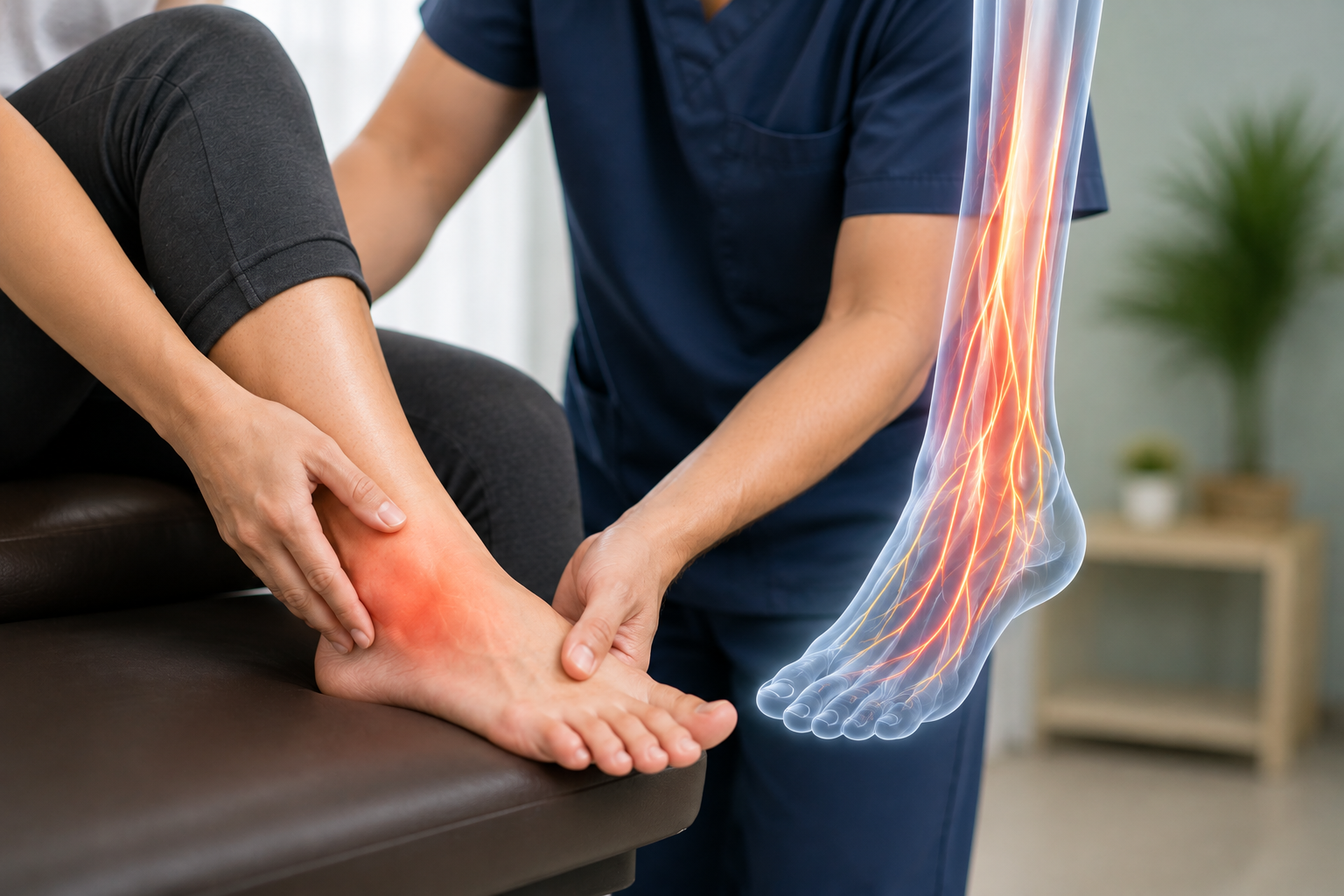
Neuropathy can affect much more than the way your hands and feet feel. Tingling, numbness, burning, sharp pain, sensitivity to touch, weakness, and balance problems can make everyday activities more difficult. Walking, exercising, sleeping, working, driving, and even standing for long periods may become uncomfortable when your nerves are not functioning properly.
Peripheral neuropathy occurs when nerves outside the brain and spinal cord become damaged or dysfunctional. These nerves carry important messages between the brain, spinal cord, muscles, skin, and other areas of the body. When nerve communication is disrupted, you may experience unusual sensations, pain, weakness, or changes in coordination.
For many people, neuropathy develops gradually. Early symptoms may be easy to dismiss because they can begin as occasional tingling or numbness. Over time, however, symptoms may become more noticeable and interfere with mobility and quality of life.
The good news is that neuropathy symptoms deserve attention. Identifying possible causes and developing an appropriate treatment plan may help you better manage symptoms and protect your overall function.
At First Stop Chiropractic, patients in Fenton, Missouri, can receive personalized care designed around their symptoms, health history, and individual needs. The clinic offers neuropathy treatment using laser therapy as part of its approach to helping patients manage neuropathy symptoms.
Neuropathy, commonly called peripheral neuropathy when peripheral nerves are affected, refers to damage or dysfunction of nerves outside the brain and spinal cord.
Your peripheral nerves have several important jobs:
Sensory Nerves: Allow you to feel touch, temperature, and pain.
Motor Nerves: Help control your muscles and movement.
Autonomic Nerves: Help control automatic functions such as blood pressure, sweating, digestion, and heart rate.
Because different types of nerves perform different functions, neuropathy can produce a wide range of symptoms.
Common Symptoms May Include:
Gradual onset of numbness, prickling or tingling in the feet or hands
Sharp, jabbing, throbbing or burning pain
Extreme sensitivity to touch
Pain during activities that shouldn’t normally cause pain
Lack of coordination and falling
Muscle weakness
Feeling as if you’re wearing gloves or socks when you aren’t
Loss of movement when motor nerves are affected
Some people experience symptoms primarily in their feet, while others may notice problems in their hands, legs, arms, or other areas.
The National Institutes of Health’s MedlinePlus explains that peripheral nerves act much like communication pathways, carrying messages between the brain, spinal cord, and the rest of the body. When these nerves are damaged, communication may become impaired.
Neuropathy does not have one single cause. Diabetes is one of the most common causes, but peripheral nerve problems can develop for many other reasons.
Potential Causes and Contributing Factors:
Diabetes and metabolic conditions
Vitamin deficiencies
Traumatic injuries
Repetitive stress or overuse
Certain medications, including some chemotherapy drugs
Alcohol misuse
Autoimmune conditions
Kidney or liver disease
Certain infections
Exposure to toxins
Hereditary conditions
MedlinePlus lists diabetes, physical injury, certain medications, infections, autoimmune diseases, vitamin imbalances, toxic substances, alcohol use, smoking, and inherited conditions among potential causes of peripheral nerve disorders.
This is why identifying the underlying cause is an important part of managing neuropathy.
For example, someone with diabetic neuropathy may need to work closely with their medical provider to manage blood glucose levels. Someone with a vitamin deficiency may need nutritional evaluation. Another individual may have symptoms associated with pressure or compression affecting a particular nerve.
Because the causes can be so different, the most appropriate treatment can also vary from person to person.
Neuropathy does not always begin with severe pain. Sometimes the first signs are subtle.
You might notice that your feet occasionally feel numb. Perhaps your toes tingle when you are sitting or lying down. You may experience burning sensations at night or discover that your feet feel unusually sensitive when touched.
Early Symptoms May Include:
Tingling or numbness in hands or feet
Burning sensations
Sharp or stabbing pain
Increased sensitivity to touch
Muscle weakness
Changes in coordination
Difficulty maintaining balance
Reduced ability to sense temperature
Unusual sensations in the legs or arms
Mayo Clinic recommends seeking medical care when you notice symptoms such as tingling, weakness, or pain in your hands or feet. Early evaluation can help identify potential causes and provide an opportunity to manage symptoms and prevent additional nerve damage.
If you are experiencing symptoms that concern you, you can also learn more through First Stop Chiropractic’s Conditions We Treat page.
Your nervous system plays a major role in how your body communicates.
Every time you walk, pick something up, feel a surface, react to heat, or adjust your balance, your nervous system is involved. Nerves continuously carry information between your body and brain.
When those signals become disrupted, normal activities can become more challenging.
For example, reduced sensation in your feet can make it harder to recognize changes in the ground beneath you. Nerve-related weakness may make climbing stairs or getting up from a chair more difficult. Pain or burning sensations may interfere with sleep and make physical activity less appealing.
Cleveland Clinic explains that peripheral neuropathy can disrupt the communication between the brain and body and may cause symptoms such as numbness, pain, weakness, and balance problems.
Supporting nerve health therefore involves more than simply addressing discomfort. It also involves paying attention to mobility, balance, physical activity, lifestyle habits, and underlying health conditions.
There is no single treatment for everyone with neuropathy. Care depends on the cause, symptoms, severity, and overall health. At First Stop Chiropractic, neuropathy care begins with understanding your individual condition through your medical history, symptoms, lifestyle, and physical evaluation. Learn more about neuropathy treatment.
Here are several ways a comprehensive approach may support healthier nerve function:
1. Addressing Symptoms Early
Persistent numbness, burning, tingling, or weakness should not be ignored. Early evaluation can help identify possible causes and determine appropriate treatment, especially for people with risk factors such as diabetes, injuries, or nutritional deficiencies.
2. Supporting Comfortable Nerve Function
Damaged or irritated nerves can cause burning, tingling, stabbing, or electric-like pain. Treatment may focus on managing symptoms while addressing contributing factors. Cleveland Clinic notes that neuropathy treatment depends on its cause and severity.
3. Laser Therapy for Neuropathy
First Stop Chiropractic offers laser therapy using the Summus Medical Laser as part of its non-invasive neuropathy treatment approach. Results can vary, so an evaluation is important to determine whether this treatment is appropriate for you.
4. Supporting Mobility and Balance
Neuropathy may contribute to weakness, coordination problems, and balance difficulties. Maintaining safe movement and appropriate physical activity may help support strength and mobility.
Note: If balance problems are significant, speak with an appropriate healthcare professional before beginning a new exercise program.
5. Supporting Overall Physical Health
Nerve health is connected to overall health. Nutrition, physical activity, circulation, metabolic health, and management of chronic conditions can all be important. For people with diabetes, managing the condition is especially important for protecting nerve health.
6. Encouraging Healthy Lifestyle Habits
Healthy habits can complement professional care. Helpful habits may include:
Eating a balanced diet.
Staying physically active within your abilities.
Managing health conditions such as diabetes.
Avoiding smoking.
Limiting excessive alcohol use.
Getting appropriate medical checkups.
Protecting areas of the body with reduced sensation from injuries.
Following recommendations from your healthcare providers.
These habits support overall health but should not replace professional evaluation and treatment.
A neuropathy evaluation should begin with understanding your symptoms.
At First Stop Chiropractic, the clinic states that its initial consultation involves discussing your medical history, symptoms, and lifestyle habits before conducting a physical examination. A personalized plan may then include chiropractic adjustments, laser therapy, and other non-invasive techniques depending on the patient’s needs.
A medical provider may also recommend diagnostic testing when necessary. Depending on the situation, evaluation may include blood tests, neurological examinations, nerve conduction studies, electromyography, imaging, or other tests designed to identify the cause of nerve symptoms.
Finding the cause matters because treatment for diabetic neuropathy, nutritional deficiency, nerve compression, medication-related neuropathy, and other conditions can be very different.
Two people can experience the same symptom but have completely different underlying problems.
For example, two patients may both report burning feet. One may have diabetes-related nerve damage, while another may have a nutritional deficiency or another condition affecting the peripheral nerves. This is why personalized care matters.
At First Stop Chiropractic, the goal is to understand each patient’s symptoms and health history before developing a treatment plan. The clinic emphasizes individualized care and offers neuropathy treatment as one of its professional services.
A personalized approach can also make it easier to monitor changes over time. Rather than looking only at pain, you can consider whether symptoms are affecting walking, balance, sleep, exercise, and other daily activities.
Ignoring nerve symptoms can allow an underlying problem to continue without appropriate evaluation.
Early attention may help you:
Reduce discomfort
Support healthier nerve function
Maintain mobility
Support balance and coordination
Encourage healthy lifestyle habits
Protect areas with reduced sensation
Improve everyday quality of life
The exact outcome varies from person to person. Some neuropathies can improve when the underlying cause is identified and treated, while others may require ongoing management. Cleveland Clinic notes that certain types of neuropathy may be stopped or reversed when diagnosed and treated promptly.
Professional treatment is only one part of maintaining nerve health. What you do between appointments can also matter.
Eat for Overall Health
A balanced diet provides nutrients needed throughout the body. Certain vitamin deficiencies can contribute to neuropathy, so proper nutrition is important. If you believe you may have a nutritional deficiency, talk with a healthcare professional before taking high-dose supplements. Excessive amounts of some nutrients can also cause health problems.
Stay Active
Regular movement can help support physical fitness, muscle strength, mobility, and overall health. Choose activities appropriate for your current abilities. Walking, gentle stretching, swimming, and other low-impact activities may be options for some people, but your individual condition should guide your choices.
Protect Areas With Reduced Sensation
Numbness can make it easier to overlook injuries. Check your feet and other affected areas regularly. Wear properly fitting shoes and be cautious around hot surfaces, sharp objects, and other potential sources of injury.
Manage Underlying Conditions
If diabetes or another medical condition is contributing to neuropathy, managing that condition is an important part of protecting your nerves. Work with your physician or other appropriate healthcare professionals to keep underlying conditions under control.
Avoid Factors That Can Damage Nerves
Smoking, excessive alcohol use, exposure to certain toxins, and some other risk factors may contribute to nerve problems. Reducing avoidable risk factors can complement your professional care plan and support your overall health.
Persistent neurological symptoms should not simply be ignored.
Consider Seeking Professional Evaluation If You Experience:
Persistent numbness
Burning sensations in your feet or hands
Tingling that does not go away
Increasing sensitivity to touch
Muscle weakness
Problems with balance
Difficulty walking
Loss of coordination
Changes in your ability to sense temperature
Unexplained pain in your feet, legs, hands, or arms
Mayo Clinic recommends medical evaluation for symptoms such as tingling, weakness, or pain in the hands or feet because early diagnosis may provide a better opportunity to manage symptoms and prevent additional nerve damage.
Emergency Warning: Sudden neurological symptoms such as severe weakness, facial drooping, difficulty speaking, or other emergency warning signs require immediate medical attention rather than waiting for a routine chiropractic appointment.
Choosing care for neuropathy is an important decision. You want a team that listens to your concerns, evaluates your situation, and helps you understand your options.
At First Stop Chiropractic, patients receive personalized chiropractic and wellness care in Fenton, Missouri. The clinic provides several services, including chiropractic adjustments, spinal decompression, laser pain therapy, shockwave therapy, neuropathy treatment, Shape Reclaimed services, and DOT physicals.
The clinic’s neuropathy program incorporates laser therapy and is designed around individual patient needs.
You can learn more about the team and philosophy behind the practice on the About Us page.
You can also explore the First Stop Chiropractic Blog for additional educational information about chiropractic care, neuropathy, pain, mobility, and wellness.
1. Can neuropathy be completely cured?
It depends on the type and underlying cause. Some forms may improve when the underlying cause is identified and treated, while others may require long-term management.
2. Can chiropractic care help with neuropathy?
Chiropractic care may be included in a personalized treatment plan for appropriate patients, particularly when musculoskeletal problems are also present. However, peripheral neuropathy has many causes and should not automatically be considered a condition that chiropractic care can cure.
3. Is laser therapy used for neuropathy?
Yes. First Stop Chiropractic offers laser therapy as part of its neuropathy treatment approach and utilizes the Summus Medical Laser.
4. How long does neuropathy treatment take?
Treatment timelines vary. The cause and severity of neuropathy, how long symptoms have been present, your overall health, and your response to treatment can all affect the course of care.
5. Can lifestyle changes support nerve health?
Yes. Healthy eating, appropriate physical activity, management of chronic health conditions, avoiding smoking, and limiting excessive alcohol can support overall nerve health.
6. Does neuropathy always affect the feet?
No. Although the hands and feet are common areas for symptoms, peripheral neuropathy can affect different nerves and areas of the body depending on the type and cause.
Neuropathy can affect much more than sensation. Burning, tingling, numbness, pain, weakness, and balance problems can interfere with mobility, sleep, exercise, work, and everyday activities.
Because neuropathy can have many different causes, understanding why symptoms are occurring is an important part of developing an appropriate care plan. Medical evaluation, management of underlying conditions, healthy lifestyle habits, and individualized treatment can all play important roles in supporting long-term nerve health.
At First Stop Chiropractic, neuropathy treatment is designed around each patient’s individual symptoms and needs. The clinic offers laser therapy using the Summus Medical Laser as a non-invasive option within its neuropathy care approach.
If you have persistent burning, tingling, numbness, weakness, or balance problems, don’t simply assume that you have to live with the symptoms. Getting an appropriate evaluation can help you understand what may be happening and what options may be available.
If neuropathy symptoms are making it harder to walk comfortably, stay active, sleep well, or enjoy your everyday life, First Stop Chiropractic can help you explore your care options.
Contact First Stop Chiropractic to discuss your symptoms and learn whether its personalized neuropathy treatment approach may be appropriate for you.
📍 Address: 36 Fenton Plaza, Fenton, MO 63026 United States
📞 Phone Number: (314) 574-1907
🌐 Website: https://firststopchiropractic.com
Visit the First Stop Chiropractic website to learn more about neuropathy treatment and available services, or visit our Contact Us page to get in touch directly.
