
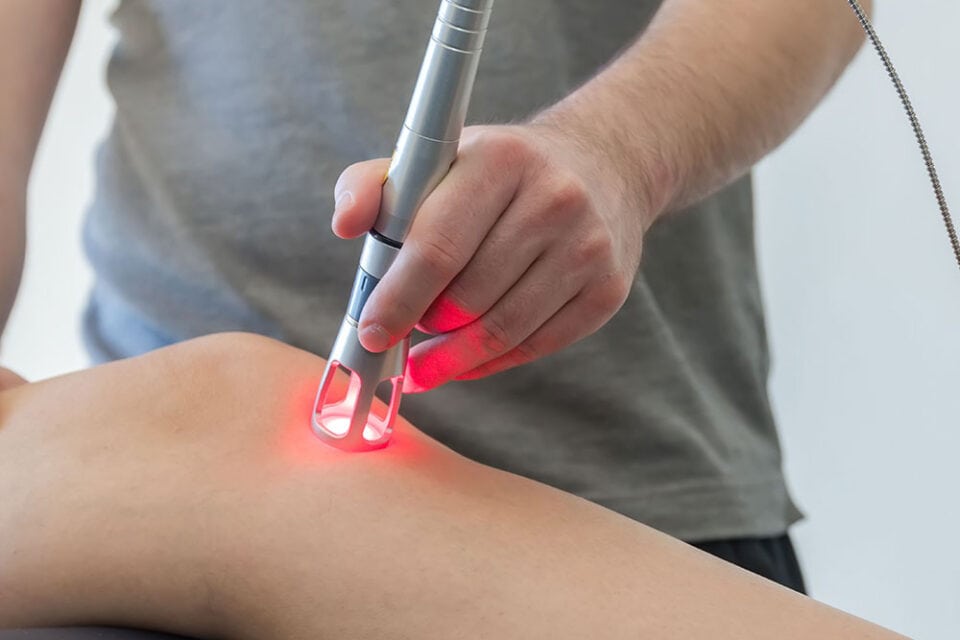
In today’s healthcare landscape, non-invasive treatments are becoming increasingly popular for managing pain and supporting the body’s natural healing processes. Many patients prefer to avoid surgery due to its potential risks, extended recovery periods, and significant costs. This is particularly true for musculoskeletal injuries, chronic joint pain, sports-related conditions, and post-surgical discomfort, where traditional approaches can be invasive, slow, or only partially effective. As a result, patients are seeking safe, effective alternatives that can help them recover faster and regain mobility without the need for cutting or prolonged downtime.
One of the most promising solutions in this realm is laser therapy, also referred to as cold laser therapy or low-level laser therapy (LLLT). This advanced, non-invasive treatment uses specific wavelengths of light to stimulate cellular repair, reduce inflammation, and relieve pain. Laser therapy has been shown to accelerate tissue healing, enhance blood flow, and promote long-term recovery. Its effectiveness has made it a preferred choice among chiropractors, physical therapists, sports medicine specialists, and rehabilitation professionals worldwide.
In this comprehensive guide, we will dive into how laser therapy works at the cellular level, the wide range of conditions it can treat, the benefits it offers over traditional treatments and surgery, what a typical session entails, and the scientific evidence supporting its success. We will also share patient experiences, safety considerations, and answers to common questions, helping you understand whether laser therapy is the right solution for your pain and injury recovery.
Laser therapy involves the use of specific wavelengths of light to stimulate cellular function and promote healing. Unlike surgical lasers that cut tissue or generate heat, therapeutic lasers are non-thermal. This means they do not burn or damage tissues but rather stimulate a natural healing response at the cellular level.
When applied to an injured area, laser light penetrates through the skin and soft tissues. The photons in the laser light are absorbed by cells, triggering beneficial reactions such as:
Increased cellular energy production (ATP)
Enhanced collagen synthesis
Reduced inflammation
Improved blood flow
Modulation of pain signals
These mechanisms work synergistically to accelerate healing and reduce discomfort.
Understanding how laser therapy works requires examining its effects at the cellular level. When therapeutic laser light penetrates the skin, photons are absorbed by the mitochondria—the cell’s energy center—stimulating increased production of ATP (adenosine triphosphate), which fuels tissue repair and regeneration. Laser energy also reduces inflammation by modulating pro-inflammatory molecules and promoting lymphatic drainage, helping to decrease swelling and pain. Additionally, it enhances blood flow, delivering oxygen and nutrients to damaged tissues while removing waste products. This combination of increased cellular energy, reduced inflammation, and improved circulation accelerates healing and provides natural, non-invasive pain relief.
1. Increased Cellular Energy (ATP Production)
ATP, or adenosine triphosphate, is the energy currency of the cell. It powers virtually all cellular functions, including repair and regeneration. Laser photons are absorbed by the mitochondria, increasing ATP production. This boost in energy helps cells repair damage more efficiently, ultimately speeding up healing.
2. Reduction of Inflammation
Inflammation is a natural response to injury but can become counterproductive when it persists. Laser therapy helps regulate the inflammatory response by:
Reducing pro-inflammatory cytokines
Decreasing fluid accumulation in tissues
Promoting lymphatic drainage
By controlling inflammation, laser therapy helps relieve pain and prevent chronic tissue damage.
3. Enhanced Blood Circulation
Laser therapy stimulates vasodilation — the widening of blood vessels — which improves blood flow to the affected area. Enhanced circulation delivers more oxygen and nutrients to damaged tissues while removing metabolic waste products, both of which are essential for healing.
4. Pain Reduction
Laser therapy modulates pain by affecting nerve cells and blocking pain signals to the brain. It also promotes the release of endorphins, natural chemicals that help relieve pain.
Laser therapy is a highly versatile treatment capable of addressing a broad range of injuries and chronic conditions. It is commonly used to treat muscle strains and sprains, helping injured fibers heal faster while reducing soreness. Joint pain, including arthritis and tendon inflammation, responds well due to decreased swelling and improved mobility. Laser therapy also benefits those with back and neck pain, offering relief from chronic discomfort and enhancing spinal function. Additionally, it is effective for tendon and ligament injuries, sports-related injuries, post-surgical recovery, carpal tunnel syndrome, and plantar fasciitis, making it a valuable option for both acute injuries and long-term pain management.
1. Muscle Strains and Sprains
Whether from sports, work, or daily activity, muscle injuries can cause pain and limit mobility. Laser therapy accelerates the healing of muscle fibers, reduces swelling, and improves range of motion.
2. Joint Pain and Arthritis
Laser therapy is effective for osteoarthritis, rheumatoid arthritis, and joint inflammation. By reducing inflammation and promoting tissue repair, patients experience improved joint function and decreased pain.
3. Back and Neck Pain
Chronic back and neck pain affects millions worldwide. Laser therapy can target deep tissues to reduce inflammation, relieve nerve compression, and enhance mobility without invasive procedures.
4. Tendon and Ligament Injuries
Conditions like tendonitis, bursitis, and ligament sprains benefit from laser therapy, which enhances collagen formation and tissue remodeling.
5. Sports Injuries
Athletes recovering from torn ligaments, sprained ankles, or rotator cuff injuries often use laser therapy to accelerate healing and return to peak performance faster.
6. Post-Surgical Recovery
After surgery, laser therapy can help reduce swelling, minimize scar tissue, and speed recovery in both soft tissue and joint repairs.
7. Carpal Tunnel Syndrome
Laser therapy improves nerve conduction and reduces inflammation in patients with carpal tunnel syndrome, providing pain relief without injections or surgery.
8. Plantar Fasciitis
Laser therapy reduces inflammation in the plantar fascia, easing chronic heel pain and promoting quicker recovery.
Non-Invasive and Painless
Laser therapy does not involve cutting, injections, or anesthesia. Patients experience little to no discomfort during sessions, making it a safe alternative to surgery or invasive interventions.
Accelerated Healing
Unlike treatments that only manage symptoms, laser therapy stimulates cellular repair mechanisms. This can shorten recovery times and improve long-term outcomes.
Reduced Dependence on Medications
Many people rely on painkillers for relief. Laser therapy addresses the root cause of pain, reducing or eliminating the need for opioids or anti-inflammatory medications.
Treatment of Acute and Chronic Conditions
Laser therapy works for both recent injuries and long-standing pain, making it a versatile option.
Minimal Side Effects
Therapeutic lasers are extremely safe when used correctly. Side effects are rare and usually limited to mild warmth or redness at the treatment site.
Cost-Effective
Compared to surgery, laser therapy is more affordable and avoids costs associated with hospital stays, anesthesia, and extended rehabilitation.
A typical laser therapy session is straightforward, painless, and designed to maximize healing. Before treatment, a trained clinician evaluates your condition, reviews your medical history, and identifies the specific areas that need therapy. They will discuss your goals and explain what to expect during and after the session.
During treatment, you remain fully clothed, and the laser device is applied directly to the affected area. The laser emits precise wavelengths of light that penetrate tissues to stimulate cellular repair. Sessions are usually 5–15 minutes, depending on the size and severity of the injury. Most patients feel little to no discomfort, though some may experience a gentle warmth or tingling sensation as circulation increases and inflammation decreases.
After the session, there is no downtime — you can resume normal activities immediately. Many patients notice improvements after just a few sessions, while optimal results typically require 6–10 sessions, depending on the condition and the body’s response to treatment.
Before Treatment
A clinician evaluates your injury and medical history.
Your treatment area is identified.
Goals and expected outcomes are discussed.
During Treatment
Laser light is applied to the affected area.
Sessions are usually 5–15 minutes.
Patients feel little to no discomfort — sometimes a gentle warmth.
After Treatment
Patients can resume daily activities immediately.
Initial improvements are often noticeable after 1–2 sessions.
Optimal results typically require 6–10 sessions, depending on the condition.
Laser therapy is supported by a growing body of robust clinical research, highlighting its effectiveness in promoting healing and reducing pain. Studies show that it stimulates tissue repair by increasing collagen production and encouraging cell regeneration, essential for recovering from injuries. Clinical trials also demonstrate significant pain reduction in patients suffering from chronic joint pain, tendonitis, and low back pain. Additionally, laser therapy exhibits strong anti-inflammatory effects, helping to decrease swelling and improve mobility. Research further indicates that it can enhance nerve function, making it effective for conditions like neuropathy and nerve compression.
1. Tissue Repair
Studies show laser therapy stimulates collagen production and cell proliferation, essential for tissue repair. (Journal of Clinical Orthopaedics and Trauma, 2019)
2. Pain Reduction
Clinical trials demonstrate significant pain reduction in patients with chronic joint pain, tendonitis, and low back pain.
3. Anti-Inflammatory Effects
Laser therapy has been shown to reduce inflammatory markers, decrease swelling, and accelerate tissue recovery.
4. Enhanced Nerve Function
In neuropathic conditions, laser therapy improves nerve conduction and reduces symptoms of numbness or tingling.
Patient A: Knee Osteoarthritis
This patient had chronic knee pain that limited walking. After 8 laser sessions, pain decreased dramatically, mobility improved, and the patient avoided knee replacement surgery.
Patient B: Tennis Elbow
Conventional treatments failed for months. Laser therapy reduced inflammation and pain, allowing the patient to return to daily activities without further interventions.
Patient C: Sprained Ankle
An athlete recovered faster than expected, returning to training in half the usual recovery time thanks to accelerated tissue repair.
Laser therapy is safe for most patients. However, certain conditions require caution:
Avoid over active cancer sites
Pregnancy over the treated area
Light-sensitive conditions
Severe bleeding disorders
A qualified clinician will assess each patient before beginning treatment.
1. Is laser therapy painful?
No. Most patients feel nothing or mild warmth.
2. How many sessions are required?
Typically 6–10 sessions, depending on the condition.
3. Is laser therapy safe?
Yes. It is non-invasive and FDA-approved for pain relief and tissue repair.
4. Can laser therapy replace surgery?
In many cases, yes, particularly for soft tissue injuries and chronic pain. Surgery may still be necessary for severe structural damage.
5. Can laser therapy treat chronic pain?
Yes. Chronic conditions such as arthritis, tendonitis, and neuropathic pain respond well to consistent treatment.
6. Are there side effects?
Side effects are rare and minor, such as temporary redness or warmth.
7. What’s the difference between cold laser and surgical laser?
Cold lasers do not cut tissue or generate heat. They stimulate cellular repair, whereas surgical lasers cut or cauterize.
8. Who should avoid laser therapy?
Patients with active tumors, pregnancy over the treatment area, or severe light sensitivity should consult a clinician.
9. Can laser therapy be combined with other treatments?
Yes. Laser therapy often works synergistically with physical therapy, chiropractic adjustments, and rehabilitation exercises.
Laser therapy is a safe, effective, and non-invasive treatment that accelerates healing, reduces pain, and improves function. It addresses the root cause of injury, not just symptoms, making it an ideal alternative to surgery for many patients.
By enhancing cellular energy, reducing inflammation, improving circulation, and modulating pain, laser therapy allows the body to heal faster and more efficiently. Whether for sports injuries, chronic pain, or post-surgical recovery, laser therapy offers a practical path to recovery without the risks and downtime associated with surgery.
Are you ready to heal faster and avoid surgery? At First Stop Chiropractic, we specialize in laser therapy tailored to your unique needs.
📍 Address: 36 Fenton Plaza, Fenton, MO 63026, United States
📞 Main Line: (314) 574-1907
📞 Alternate Line: (314) 750-7361
🌐 Website: https://firststopchiropractic.com
📍 View on MapQuest
Contact us today to schedule a consultation and begin your journey to pain-free, faster healing.
