
Living with neuropathy can feel like navigating life with an invisible obstacle. Simple activities such as walking across a room, climbing stairs, driving a car, exercising, or even standing for extended periods can become increasingly difficult when nerves are not functioning properly. Many people experience tingling, numbness, burning sensations, weakness, and balance challenges that interfere with daily life and reduce overall quality of life.
Fortunately, advancements in neuropathy care have created new opportunities for patients seeking relief. Rather than simply masking symptoms, comprehensive neuropathy treatment focuses on improving nerve function, reducing discomfort, enhancing mobility, and helping patients regain confidence in their everyday movements.
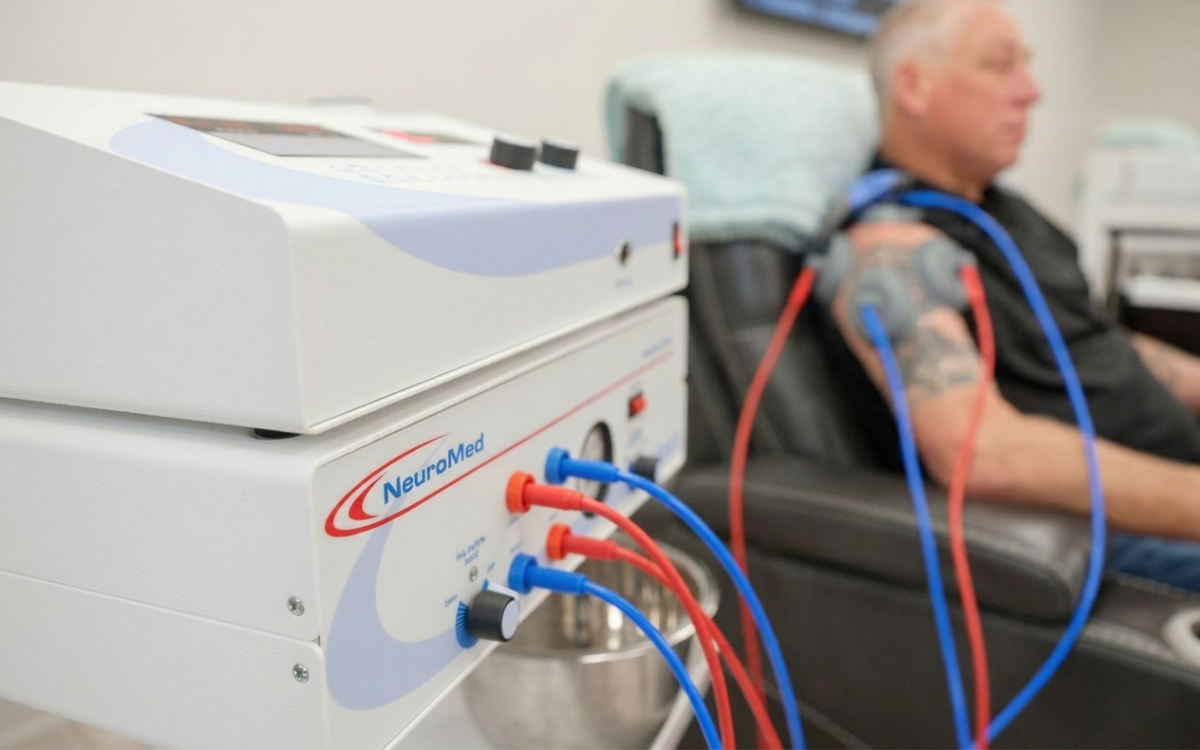
At First Stop Chiropractic in Fenton, Missouri, neuropathy treatment is designed to address the underlying factors contributing to nerve dysfunction through personalized care plans that may include chiropractic techniques, laser therapy, and other non-invasive approaches. The clinic specializes in providing patient-centered care with a focus on long-term wellness and improved quality of life. According to First Stop Chiropractic, their neuropathy program utilizes advanced laser therapy and customized treatment strategies to help patients achieve lasting relief from symptoms associated with peripheral neuropathy.
This article explores how neuropathy affects the body, why balance and movement often decline, and how professional neuropathy care can help improve comfort, stability, and daily function.
Neuropathy, often referred to as peripheral neuropathy, occurs when nerves outside the brain and spinal cord become damaged or impaired. These nerves play a critical role in transmitting information between the brain and the rest of the body. According to the Mayo Clinic, this nerve damage can result from a variety of systemic issues, resulting in interrupted, distorted, or completely blocked communication signals.
When nerves become damaged, communication signals may be interrupted, distorted, or completely blocked. As a result, individuals may experience symptoms that range from mild discomfort to severe functional limitations.
Common neuropathy symptoms include:
Tingling sensations
Burning pain
Numbness in hands or feet
Sensitivity to touch
Muscle weakness
Reduced reflexes
Balance problems
Coordination difficulties
Difficulty walking
Loss of sensation
Peripheral neuropathy can develop from numerous causes, including:
Diabetes
Autoimmune diseases
Chemotherapy treatments
Traumatic injuries
Alcohol abuse
Nutritional deficiencies
Exposure to toxins
Viral infections
Surgical complications
Hereditary conditions
Because nerves influence nearly every aspect of movement and sensation, neuropathy often impacts much more than comfort alone.
Balance is a highly coordinated function involving the brain, eyes, muscles, joints, and nervous system. Healthy nerves constantly send information regarding body position, movement, and pressure.
When neuropathy damages these communication pathways, the brain receives incomplete information about where the body is in space.
For example, many neuropathy patients experience numbness in their feet. Without accurate sensory feedback from the feet, maintaining stability becomes significantly more difficult.
Patients may notice:
Frequent stumbling
Difficulty walking on uneven surfaces
Trouble climbing stairs
Increased fall risk
Feeling unsteady while standing
Reduced confidence when walking
Many individuals unconsciously compensate by walking slower, widening their stance, or avoiding certain activities altogether.
Unfortunately, reduced activity often leads to additional muscle weakness and mobility limitations, creating a cycle that further affects quality of life. Learn more about how we address these underlying issues on our Conditions We Treat page.
Movement depends on effective communication between nerves and muscles.
Every step requires:
Sensory nerves to detect foot placement.
Motor nerves to activate muscles.
The brain to process information.
The body to make constant adjustments.
When neuropathy disrupts this process, even routine movements become more challenging.
Patients frequently report difficulties with:
Walking long distances
Exercising
Standing from a seated position
Carrying groceries
Household chores
Recreational activities
Maintaining independence
Over time, these challenges can affect physical health, emotional well-being, and social engagement.
One of the most frustrating aspects of neuropathy is chronic discomfort.
Symptoms often include:
Many patients describe feeling as though their feet are on fire, especially at night.
Pins-and-needles sensations can occur intermittently or continuously.
Some individuals experience sudden electrical sensations that travel through the arms or legs.
Loss of sensation can be equally troubling because it reduces awareness of injuries or pressure points.
Even light touch from socks, shoes, or bed sheets may become uncomfortable.
These symptoms can interfere with sleep, concentration, work performance, and overall quality of life. Check out our Blog for additional insights on managing chronic nerve discomfort.
Neuropathy symptoms often progress gradually.
Many people dismiss early warning signs such as occasional tingling or mild numbness.
However, nerve damage can worsen over time when left untreated.
Seeking care early may help:
Slow progression
Improve circulation
Enhance nerve function
Reduce discomfort
Improve balance
Support mobility
Prevent complications
The sooner treatment begins, the greater the opportunity to preserve nerve health and maintain function.
Every neuropathy patient is unique.
Symptoms, severity, causes, and health history vary significantly from one individual to another.
This is why personalized treatment plans are essential.
At First Stop Chiropractic, providers perform comprehensive evaluations that include medical history reviews, symptom assessments, physical examinations, and individualized care planning. Their goal is to understand the patient’s condition thoroughly before developing a customized treatment strategy.
Customized care helps ensure treatment targets the specific factors contributing to each patient’s symptoms.
One of the primary therapies offered at First Stop Chiropractic for neuropathy is advanced laser therapy. You can read details about this modality on our Services page.
Laser therapy uses specific wavelengths of red and near-infrared light to stimulate the body’s natural healing processes. According to First Stop Chiropractic, this non-invasive treatment helps support tissue recovery and provides targeted relief for neuropathy-related symptoms.
Potential benefits include:
Improved circulation
Reduced inflammation
Enhanced cellular activity
Improved tissue healing
Decreased discomfort
Support for nerve recovery
Because the treatment is non-invasive, many patients appreciate that it does not involve surgery or lengthy recovery periods.
Healthy nerves require oxygen and nutrients delivered through proper circulation.
When circulation becomes compromised, nerve tissues may struggle to function optimally.
Many neuropathy treatment approaches focus on enhancing blood flow because improved circulation may help:
Deliver nutrients to nerves
Remove waste products
Support healing processes
Improve tissue health
Reduce symptoms
Laser therapy and other supportive treatments may help encourage these beneficial effects.
Although neuropathy originates within the nervous system, spinal health often plays an important role in overall nerve function.
The spine houses and protects the spinal cord while serving as a central communication pathway between the brain and body.
Chiropractic care aims to optimize musculoskeletal function and reduce mechanical stress that may interfere with healthy movement and nervous system performance.
At First Stop Chiropractic, treatment plans may incorporate chiropractic adjustments alongside neuropathy-focused therapies as part of a comprehensive approach to patient care.
One of the most meaningful benefits of successful neuropathy treatment is improved confidence.
Many patients become fearful of falling due to numbness, weakness, or instability.
This fear often causes people to:
Avoid exercise
Stay home more often
Limit social activities
Reduce physical independence
As symptoms improve, many individuals regain confidence in their ability to move safely and comfortably.
Improved confidence often leads to:
Greater activity levels
Enhanced social engagement
Better overall health
Improved emotional well-being
Neuropathy symptoms frequently worsen at night.
Burning sensations, tingling, and discomfort can make it difficult to fall asleep or remain asleep.
Poor sleep contributes to:
Fatigue
Reduced concentration
Mood changes
Slower recovery
Lower energy levels
When treatment helps reduce symptom intensity, patients often experience more restful sleep, which supports overall healing and daily functioning.
Neuropathy does not only affect physical health.
Persistent symptoms can contribute to emotional challenges such as:
Frustration
Anxiety
Depression
Isolation
Reduced self-confidence
The inability to participate fully in daily activities often affects mental and emotional well-being.
Comprehensive care addresses not only symptom management but also the broader goal of helping patients regain independence and improve quality of life.
Independence is closely tied to mobility.
When neuropathy progresses, individuals may require assistance with activities they once performed easily.
These activities may include:
Shopping
Driving
Household tasks
Recreational hobbies
Exercise routines
Effective neuropathy care helps support continued independence by improving function and reducing limitations.
Professional treatment is often most effective when combined with healthy lifestyle habits.
Important supportive strategies may include:
Movement helps promote circulation and maintain strength.
Nutrient-rich foods support overall nerve health.
Adequate hydration supports circulation and tissue function.
For diabetic patients, maintaining healthy glucose levels is particularly important.
Chronic stress can negatively affect healing and overall health.
Regular evaluations help monitor progress and adjust treatment when needed.
Patients beginning neuropathy care often wonder what the process involves.
At First Stop Chiropractic, initial visits typically include:
Detailed health history review
Discussion of symptoms
Physical examination
Assessment of lifestyle factors
Development of a personalized treatment plan
Once providers understand the patient’s condition, they create an individualized strategy designed to improve comfort, mobility, and overall function.
While every patient responds differently, many individuals seek treatment because they hope to achieve:
Reduced pain
Less tingling
Improved sensation
Better balance
Enhanced coordination
Increased mobility
Greater independence
Improved quality of life
Successful treatment often extends beyond symptom relief by helping patients return to activities they enjoy.
Neuropathy is rarely a simple condition with a one-size-fits-all solution.
Successful management often requires addressing multiple factors simultaneously, including:
Nerve health
Circulation
Movement patterns
Musculoskeletal function
Lifestyle habits
Overall wellness
A comprehensive approach allows providers to create treatment plans tailored to each individual’s needs.
Advancements in non-invasive therapies continue to create new possibilities for patients suffering from nerve-related symptoms.
Technologies such as laser therapy have expanded treatment options beyond traditional symptom management approaches.
As research continues to evolve, patients increasingly have access to therapies designed to support the body’s natural healing capabilities while improving daily function and comfort.
What is peripheral neuropathy?
Peripheral neuropathy is a condition involving damage to nerves outside the brain and spinal cord. It can cause symptoms such as numbness, tingling, burning sensations, weakness, and balance problems.
Can neuropathy affect balance?
Yes. Damaged nerves may reduce sensory feedback from the feet and legs, making it more difficult for the brain to maintain stability and coordination.
What causes neuropathy?
Common causes include diabetes, injuries, autoimmune disorders, chemotherapy, infections, nutritional deficiencies, alcohol abuse, and hereditary conditions.
How does laser therapy help neuropathy?
Laser therapy uses specific wavelengths of light to stimulate healing processes, improve circulation, reduce inflammation, and support tissue recovery.
Is neuropathy treatment painful?
Most modern neuropathy treatments, including laser therapy, are non-invasive and generally well tolerated by patients.
How long does it take to see improvement?
Results vary depending on the severity and cause of neuropathy, as well as individual response to treatment. Some patients notice improvements sooner, while others require longer-term care.
Can neuropathy be cured?
The answer depends on the underlying cause. Some cases can improve significantly, while others focus on symptom management, slowing progression, and improving quality of life.
Why should I seek treatment early?
Early intervention may help preserve nerve function, improve mobility, reduce symptoms, and prevent further progression of nerve damage.
Neuropathy can significantly impact every aspect of daily life, from walking and maintaining balance to sleeping comfortably and enjoying favorite activities. Symptoms such as numbness, tingling, burning sensations, and weakness often create physical and emotional challenges that reduce overall quality of life.
Fortunately, modern neuropathy care offers hope. Through comprehensive evaluations, personalized treatment plans, advanced laser therapy, chiropractic support, and patient-centered care, many individuals can experience meaningful improvements in comfort, balance, mobility, and daily function.
At First Stop Chiropractic, the focus is on helping patients move better, feel better, and live more confidently. By addressing the underlying factors contributing to neuropathy symptoms, patients may regain independence and enjoy a more active lifestyle.
If you are experiencing numbness, tingling, burning sensations, weakness, or balance difficulties, don’t wait for symptoms to worsen. The team at First Stop Chiropractic is committed to helping patients find effective, non-invasive solutions for neuropathy and related conditions.
📍 Address: 36 Fenton Plaza, Fenton, MO 63026 United States
📞 Phone Number: (314) 574-1907
🌐 Website: firststopchiropractic.com
Schedule your consultation today and discover how personalized neuropathy care can help improve your balance, comfort, movement, and quality of life. First Stop Chiropractic proudly serves Fenton and surrounding communities with compassionate, professional, and patient-focused care designed to support long-term wellness.
