
Heel pain can make every step feel like a challenge. For many people, the discomfort is most noticeable first thing in the morning when getting out of bed or after sitting for an extended period. What starts as a mild ache can gradually become a persistent problem that interferes with work, exercise, hobbies, and daily life.
One of the most common causes of chronic heel pain is plantar fasciitis, a condition that affects millions of people every year, according to Mayo Clinic. While stretching, orthotics, rest, and anti-inflammatory medications may provide temporary relief, many individuals continue to struggle with ongoing symptoms for months or even years.
Fortunately, advancements in non-invasive treatment options have created new opportunities for recovery. One of the most effective solutions available today is shockwave therapy, a treatment designed to stimulate healing, improve circulation, and reduce chronic pain without surgery or medication. At First Stop Chiropractic, shockwave therapy is offered as part of a comprehensive approach to helping patients overcome persistent musculoskeletal conditions and regain mobility. The clinic utilizes shockwave therapy to address chronic pain, inflammation, joint issues, plantar fasciitis, tendonitis, and other musculoskeletal concerns through a personalized treatment approach.
This article explores how shockwave therapy works, why plantar fasciitis develops, the benefits of treatment, what patients can expect during care, and how this innovative therapy may help individuals return to pain-free movement.
Before discussing treatment, it is important to understand the condition itself.
The plantar fascia is a thick band of connective tissue that runs along the bottom of the foot, connecting the heel bone to the toes. This tissue plays a critical role in supporting the arch of the foot and absorbing the forces generated during walking, running, and standing.
When excessive stress is placed on the plantar fascia, small tears can develop within the tissue. Over time, repeated strain may lead to inflammation, degeneration, and chronic pain.
This condition is known as plantar fasciitis.
Although plantar fasciitis can affect anyone, it is particularly common among:
Runners and athletes
Individuals who spend long hours standing
People who are overweight
Workers in physically demanding occupations
Individuals with poor footwear support
Adults over the age of 40
People with abnormal foot mechanics
The hallmark symptom of plantar fasciitis is sharp heel pain, especially during the first few steps in the morning. As the condition progresses, pain may persist throughout the day and limit physical activity.
Without proper treatment, chronic plantar fasciitis can become increasingly difficult to manage.
Many patients become frustrated because their heel pain seems to improve temporarily but never fully resolves.
One reason for this is that chronic plantar fasciitis is often not simply an inflammatory condition. Over time, the plantar fascia may develop:
Scar tissue
Tissue degeneration
Reduced blood flow
Calcified deposits
Reduced elasticity
These changes can interfere with the body’s natural healing mechanisms.
Traditional treatment methods often focus primarily on reducing symptoms rather than stimulating tissue repair. While treatments such as ice, stretching, and anti-inflammatory medications can help manage discomfort, they may not fully address underlying tissue damage.
This is where shockwave therapy offers a different approach.
Shockwave therapy is a non-invasive treatment that uses acoustic sound waves to stimulate healing within injured tissues. At First Stop Chiropractic, shockwave therapy is used to provide deep tissue stimulation, improve circulation, reduce pain, and help restore function in affected joints and soft tissues. The treatment works by applying controlled sound waves to targeted areas experiencing chronic pain or inflammation.
Despite its name, shockwave therapy does not involve electrical shocks.
Instead, specialized equipment delivers acoustic energy into the affected tissues. These sound waves penetrate beneath the skin and create a biological response that encourages repair.
Shockwave therapy has become increasingly popular because it offers a drug-free and surgery-free solution for chronic musculoskeletal conditions. Many providers use it for plantar fasciitis, tendonitis, shoulder pain, elbow pain, and other soft tissue injuries.
The science behind shockwave therapy is fascinating.
When acoustic waves enter damaged tissue, several beneficial processes occur simultaneously.
One of the primary effects of shockwave therapy is improved circulation.
The treatment encourages the formation of new blood vessels and increases blood flow to the injured area. Enhanced circulation helps deliver oxygen and nutrients that support tissue repair. First Stop Chiropractic specifically notes that shockwave therapy promotes healing by increasing oxygenation and improving blood circulation.
Shockwave therapy activates the body’s natural healing response.
The acoustic energy stimulates cellular activity and encourages tissue regeneration. This process helps damaged structures repair themselves more efficiently.
Chronic plantar fasciitis often involves scar tissue accumulation.
Shockwave therapy helps break down adhesions and scar tissue that can restrict movement and contribute to pain. The treatment is also used to address soft tissue buildups that develop over time from repetitive stress injuries.
Persistent inflammation can prevent healing and contribute to chronic discomfort.
Shockwave therapy helps reduce inflammatory processes while encouraging tissue recovery, creating a more favorable environment for healing.
As damaged tissues heal and inflammation decreases, patients often experience improved flexibility, strength, and function.
For individuals with plantar fasciitis, this may mean reduced pain during walking, standing, and physical activity.
Plantar fasciitis is one of the conditions most commonly treated with shockwave therapy.
The reason is simple: plantar fasciitis often involves chronic tissue damage that benefits from enhanced healing stimulation.
Shockwave therapy targets many of the underlying factors contributing to heel pain, including:
Poor circulation
Scar tissue formation
Chronic inflammation
Tissue degeneration
Reduced healing response
Instead of simply masking symptoms, the therapy works to encourage the body’s natural repair mechanisms.
Many chiropractic and rehabilitation providers report plantar fasciitis as one of the most responsive conditions to shockwave therapy, particularly when symptoms have persisted for several months.
Patients often choose shockwave therapy because it offers several advantages compared to more invasive treatment options.
No surgery is required.
There are no incisions, stitches, or lengthy recovery periods associated with treatment.
Many people prefer to avoid long-term reliance on pain medications.
Shockwave therapy provides a natural approach that focuses on healing rather than symptom suppression.
At First Stop Chiropractic, established patient sessions typically last about 15 minutes, while new patient appointments generally last about 30 minutes.
Most patients can resume normal daily activities shortly after treatment.
As pain decreases and tissue health improves, walking and movement often become easier.
By stimulating tissue repair, shockwave therapy may help create lasting improvements rather than temporary symptom relief.
At First Stop Chiropractic, each patient’s condition is evaluated individually to determine the most appropriate treatment plan and therapy approach.
Understanding the treatment process can help patients feel more comfortable before their appointment.
The process begins with a thorough assessment.
A chiropractor evaluates symptoms, medical history, mobility limitations, and contributing factors to determine whether shockwave therapy is appropriate. First Stop Chiropractic emphasizes individualized assessments and customized treatment plans.
The targeted area of the foot is identified.
A gel may be applied to help transmit the acoustic waves efficiently into the tissue.
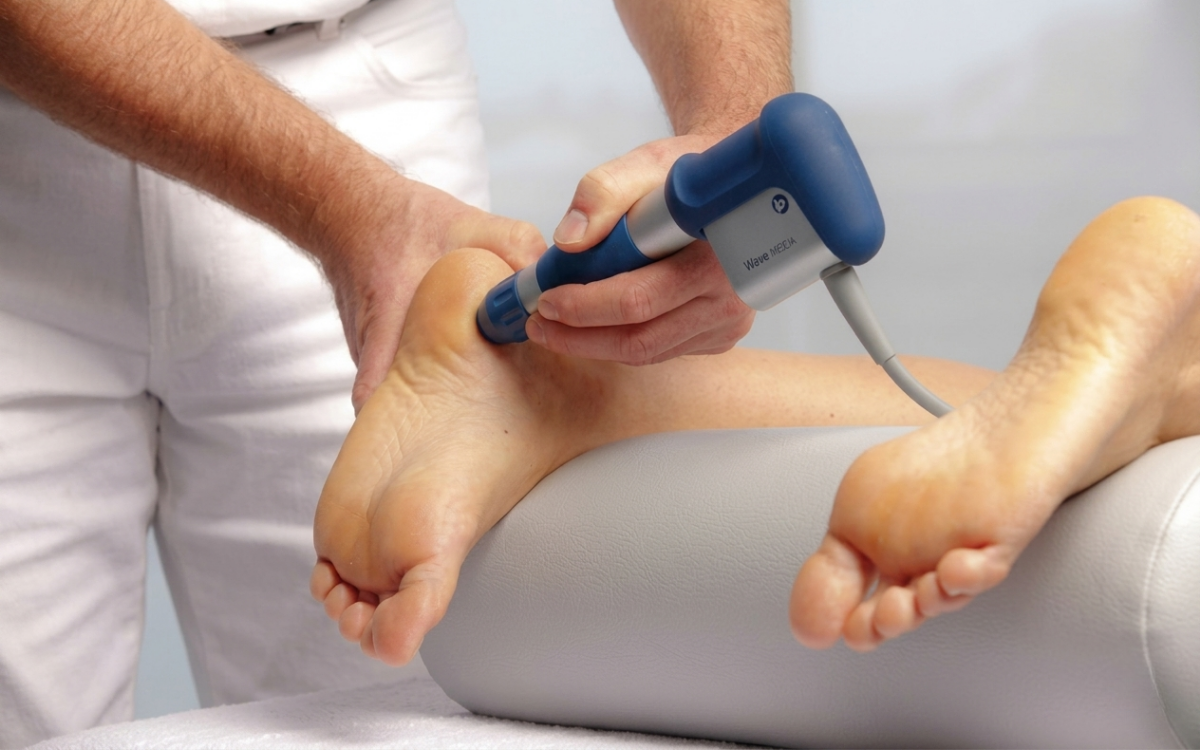
A handheld device delivers controlled sound waves directly to the affected area.
Patients often describe the sensation as rhythmic tapping or pulsing. First Stop Chiropractic notes that patients may hear and feel an audible tapping sensation during treatment.
Some mild soreness may occur after treatment.
This temporary discomfort is generally considered a normal part of the healing process and often resolves within a few days.
Treatment recommendations vary based on several factors, including:
Severity of symptoms
Duration of the condition
Overall health
Activity level
Response to care
Some individuals notice improvements after only a few sessions, while others require a longer treatment plan.
According to First Stop Chiropractic, many patients begin experiencing improvements within several weeks, although multiple sessions may be needed depending on the condition.
Consistency is often important when treating chronic plantar fasciitis.
Shockwave therapy is often most effective when incorporated into a comprehensive treatment plan.
At First Stop Chiropractic, patients have access to additional services that may complement shockwave therapy, including chiropractic adjustments, laser pain therapy, and spinal decompression.
Combining therapies may help address contributing factors such as:
Biomechanical imbalances
Joint restrictions
Abnormal walking patterns
Muscle tension
Reduced mobility
A comprehensive approach often provides better long-term outcomes than focusing on a single symptom alone.
Although shockwave therapy can be highly effective, patients can often improve outcomes by supporting the healing process through healthy habits.
Shoes with proper arch support and cushioning can reduce strain on the plantar fascia.
Gentle stretching of the calves and plantar fascia may improve flexibility and reduce tension.
Reducing excess body weight decreases stress on the feet.
Athletes should gradually increase training intensity to avoid repetitive stress injuries.
Adhering to the recommended care plan can help maximize healing and recovery.
Shockwave therapy may be appropriate for individuals experiencing:
Chronic plantar fasciitis
Persistent heel pain
Achilles tendon issues
Tendonitis
Chronic foot pain
Sports-related overuse injuries
Soft tissue injuries
Joint pain
At First Stop Chiropractic, shockwave therapy is commonly used for plantar fasciitis, tendonitis, shoulder impingement, tennis elbow, carpal tunnel syndrome, chronic pain, inflammatory conditions, and other musculoskeletal injuries.
While shockwave therapy can produce significant improvements, patients should maintain realistic expectations.
Recovery timelines vary.
Factors influencing outcomes include:
Age
Activity level
Duration of symptoms
Severity of tissue damage
Compliance with treatment recommendations
Some patients experience rapid relief, while others notice gradual improvements over several weeks. Community experiences shared by plantar fasciitis sufferers often describe improvement after multiple sessions rather than immediate resolution, highlighting the importance of patience and consistency.
The goal is not simply short-term symptom reduction but long-term tissue healing and functional improvement.
What causes plantar fasciitis?
Plantar fasciitis develops when the plantar fascia becomes irritated or damaged due to repetitive stress, overuse, poor biomechanics, inadequate footwear, or excessive strain on the feet.
Is shockwave therapy painful?
Most patients describe the sensation as mild tapping or pulsing. Some discomfort may occur, particularly in sensitive areas, but treatment is generally well tolerated.
How long does a shockwave therapy session take?
At First Stop Chiropractic, established patient appointments typically last around 15 minutes, while new patient visits generally last about 30 minutes.
How soon will I notice results?
Many patients notice improvements within a few weeks, although individual results vary and multiple sessions may be required.
Can shockwave therapy replace surgery?
For many individuals with chronic plantar fasciitis, shockwave therapy may provide a non-invasive alternative that can reduce the need for surgical intervention. Treatment recommendations should always be based on a professional evaluation.
Is there downtime after treatment?
Most patients return to normal daily activities immediately after treatment. Some temporary soreness may occur.
Can shockwave therapy be combined with chiropractic care?
Yes. Shockwave therapy is frequently integrated with chiropractic adjustments and other rehabilitative therapies to support recovery and improve outcomes.
Is shockwave therapy safe?
Shockwave therapy is considered a safe, non-invasive treatment option when performed by trained healthcare professionals. It has become widely used for chronic musculoskeletal conditions and soft tissue injuries.
Chronic heel pain and plantar fasciitis can have a significant impact on mobility, productivity, and overall quality of life. When conservative treatments fail to provide lasting relief, it may be time to explore advanced solutions that focus on healing rather than simply masking symptoms.
Shockwave therapy offers a non-invasive, drug-free approach that helps stimulate circulation, promote tissue repair, reduce inflammation, and improve function. By addressing underlying tissue damage and supporting the body’s natural healing processes, this innovative treatment has become an increasingly popular option for individuals struggling with persistent foot pain.
For many patients, shockwave therapy provides an opportunity to return to walking, exercising, working, and living with greater comfort and confidence.
If chronic heel pain or plantar fasciitis is limiting your daily activities, professional care may help you find lasting relief.
At First Stop Chiropractic, personalized shockwave therapy treatments are designed to address chronic pain, improve mobility, and support natural healing. Our experienced team will evaluate your condition and develop a customized treatment plan based on your specific needs.
📍 Address: 36 Fenton Plaza, Fenton, MO 63026, United States
📞 Phone Number: (314) 574-1907
🌐 Website: https://firststopchiropractic.com
Schedule an appointment today and take the first step toward overcoming chronic heel pain and getting back to the activities you enjoy.
