
Back pain is one of the most common health complaints affecting millions of people worldwide. Whether it develops from poor posture, repetitive strain, herniated discs, degenerative conditions, sports injuries, or years of wear and tear, chronic spinal pain can interfere with every aspect of daily life. Simple activities like sitting, walking, lifting groceries, exercising, or even sleeping may become difficult when spinal discomfort becomes persistent.
For many individuals, the idea of surgery can feel overwhelming. Surgical procedures often involve lengthy recovery times, potential complications, medication dependence, and financial stress. Fortunately, advances in modern chiropractic and rehabilitative medicine have introduced highly effective non-surgical options that help many patients find lasting relief without invasive procedures.
One of the most promising conservative treatment methods available today is spinal decompression therapy.
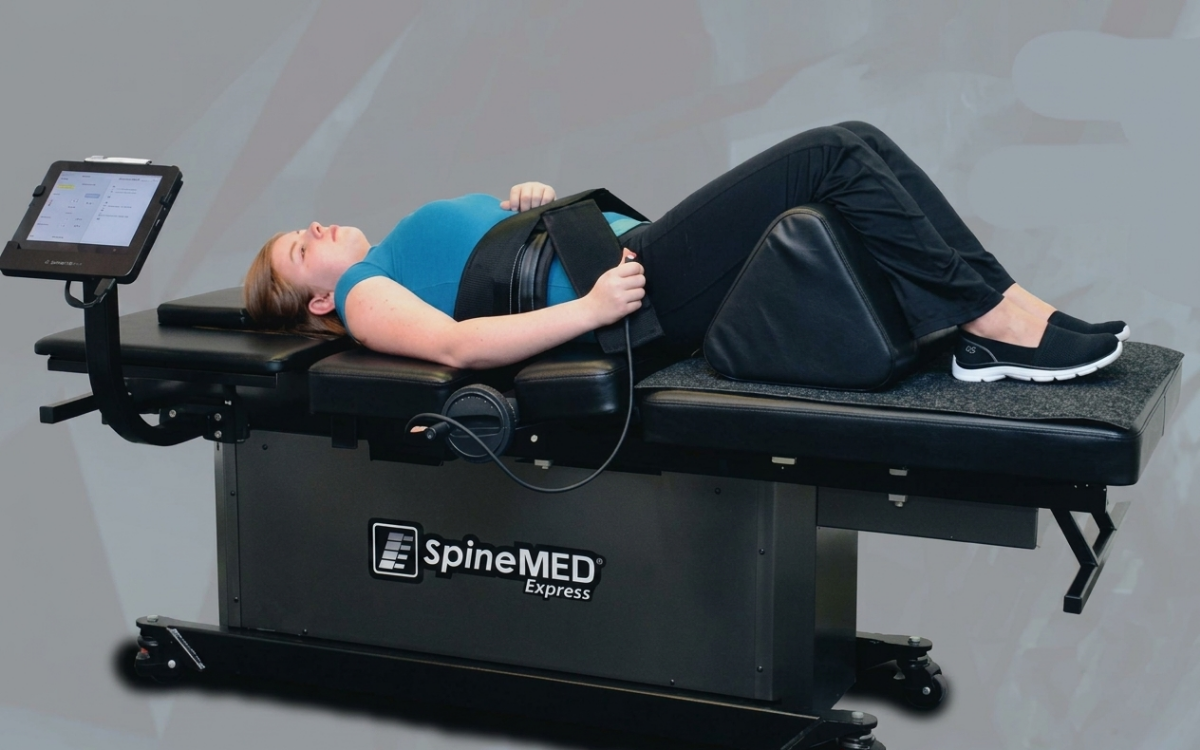
At First Stop Chiropractic in Fenton, Missouri, patients suffering from chronic neck and back pain can access advanced spinal decompression technology designed to relieve pressure on spinal structures naturally and safely. Their SpineMED® decompression system provides a gentle, computer-controlled treatment approach aimed at reducing pain, improving mobility, and supporting the body’s healing process.
The spine is one of the most complex and important structures in the human body. It provides support, flexibility, balance, and protection for the spinal cord and nerves. When spinal structures become damaged or compressed, pain and dysfunction often follow.
Back pain can originate from several sources, including:
Herniated discs
Bulging discs
Degenerative disc disease
Sciatica
Pinched nerves
Facet joint dysfunction
Muscle strain
Poor posture
Spinal stenosis
Arthritis
Repetitive motion injuries
Traumatic injuries
Many spinal conditions involve excessive pressure placed on discs or nerves. This pressure can trigger inflammation, muscle spasms, tingling, numbness, stiffness, weakness, and radiating pain into the arms or legs.
For some patients, pain becomes chronic because the underlying cause never fully heals.
Spinal decompression therapy is a non-surgical treatment designed to gently stretch the spine and reduce pressure within spinal discs and joints.
Using a specialized decompression table, controlled traction forces are applied to carefully targeted areas of the spine. The process creates negative pressure inside affected discs, which may help:
Reduce nerve compression
Improve nutrient exchange
Encourage disc rehydration
Promote healing
Relieve muscle tension
Improve spinal mobility
Unlike traditional traction methods, modern decompression systems use computerized technology that continuously adjusts treatment based on patient response.
At First Stop Chiropractic, the SpineMED® decompression system detects muscle resistance and responds automatically for a more comfortable and precise therapy experience.
To understand spinal decompression, it helps to first understand spinal discs.
Spinal discs act like cushions between the vertebrae. These discs absorb shock, provide flexibility, and allow movement. Over time, discs can become compressed, dehydrated, bulged, or damaged.
When disc pressure increases, nearby nerves may become irritated or compressed.
Spinal decompression therapy works by:
The decompression table gently separates spinal vertebrae. This creates a vacuum-like effect within spinal discs.
This negative pressure may help retract bulging or herniated disc material away from irritated nerves.
Healthy discs rely on nutrient exchange for healing because they have limited blood supply.
Decompression therapy may improve circulation of:
Oxygen
Water
Nutrients
Healing compounds
This helps support tissue repair and disc rehydration.
Pinched nerves often create:
Burning pain
Tingling
Weakness
Numbness
Sciatica symptoms
According to the Mayo Clinic, mechanical pressure on the nerve roots is a primary driver of radiating nerve pain; reducing this mechanical pressure may significantly improve symptoms over time.
Muscle guarding and spasms often accompany chronic back pain. Gentle decompression can help muscles relax while improving spinal mobility.
Spinal decompression therapy may help patients suffering from a wide variety of spinal conditions. You can read a comprehensive breakdown of these ailments on our conditions we treat page.
Herniated discs occur when inner disc material pushes outward through weakened disc walls. This may irritate spinal nerves and create severe pain.
Symptoms often include:
Radiating leg pain
Arm pain
Weakness
Numbness
Tingling sensations
Decompression therapy may help reduce disc protrusion and relieve nerve irritation.
Bulging discs involve outward disc displacement without rupture. Although less severe than herniation, they can still create chronic discomfort and nerve pressure.
Sciatica refers to pain that radiates down the sciatic nerve, often affecting:
Lower back
Buttocks
Hips
Legs
Feet
Sciatica commonly results from disc compression or spinal narrowing.
Spinal decompression may reduce irritation affecting the sciatic nerve.
As discs lose hydration and elasticity with age, spinal movement becomes less efficient and more painful.
Symptoms often include:
Chronic stiffness
Limited flexibility
Persistent aching
Increased injury risk
Decompression may help restore disc hydration and reduce mechanical stress.
Spinal stenosis involves narrowing of spinal canals that place pressure on nerves.
Patients may experience:
Leg pain
Weakness
Walking difficulty
Numbness
Balance problems
Gentle decompression may help relieve pressure contributing to symptoms.
Cervical decompression targets the neck region and may help:
Cervical disc issues
Pinched nerves
Arm numbness
Tension headaches
Reduced neck mobility
Many patients choose decompression therapy because it offers several advantages over invasive procedures.
No surgery means:
No incisions
No anesthesia
No hospitalization
Minimal recovery time
Patients typically resume normal activities shortly after sessions.
Many people seek alternatives to:
Pain medications
Opioids
Steroid injections
Spinal decompression focuses on addressing mechanical causes of pain naturally.
As pressure decreases and inflammation subsides, many patients notice:
Better flexibility
Easier movement
Improved posture
Enhanced daily function
Modern decompression systems adjust treatment to each individual’s needs.
At First Stop Chiropractic’s spinal decompression page, the clinic explains that SpineMED® technology responds to muscle spasms in real time to provide targeted care.
Most patients describe decompression sessions as relaxing and gentle.
Some even:
Listen to music
Watch television
Rest comfortably during treatment
While not every patient can avoid surgery entirely, many individuals experience enough improvement to delay or eliminate the need for invasive procedures.
Understanding the treatment process can help patients feel more comfortable before beginning therapy.
A chiropractor or spinal specialist first evaluates:
Symptoms
Medical history
Imaging studies
Mobility limitations
Neurological findings
This helps determine whether decompression is appropriate.
Treatment recommendations vary depending on:
Severity of condition
Duration of symptoms
Disc involvement
Age
Overall health
Some patients may require several weeks of care.
During treatment:
The patient lies on the decompression table
Gentle harnesses secure the body
Computerized traction gradually stretches the spine
Pressure cycles alternate between stretch and relaxation
Sessions are typically painless.
According to First Stop Chiropractic’s treatment information, many patients experience progressive improvement over time as treatments build cumulatively.
Spinal decompression often works best as part of a comprehensive treatment strategy.
At First Stop Chiropractic services, decompression therapy may be combined with:
Chiropractic adjustments
Laser pain therapy
Shockwave therapy
Neuropathy treatment
Rehabilitation strategies
Wellness education
This integrated approach may improve long-term outcomes.
While decompression therapy can be highly beneficial, lifestyle habits also play a major role in spinal health.
Prolonged sitting and screen use place stress on spinal discs.
Helpful strategies include:
Ergonomic workstations
Lumbar support
Frequent movement breaks
Standing periodically
The core stabilizes the spine. Weakness in abdominal and back muscles may increase spinal strain.
Targeted strengthening exercises often improve stability.
Extra body weight increases pressure on spinal discs and joints.
Maintaining a healthy weight may reduce chronic back stress.
Sedentary lifestyles contribute to:
Tight muscles
Joint stiffness
Reduced circulation
Weak support structures
Gentle activity often helps improve recovery.
For properly selected patients, non-surgical spinal decompression is generally considered safe and well tolerated.
However, certain conditions may require caution or alternative treatment approaches.
Patients should always undergo a professional evaluation before starting therapy.
Some individuals who may not qualify include those with:
Severe osteoporosis
Spinal fractures
Advanced instability
Certain surgical implants
Active infections
Spinal tumors
Many people ignore spinal pain until symptoms become severe.
Unfortunately, untreated spinal conditions may worsen over time.
Early intervention can help:
Reduce inflammation
Prevent chronic degeneration
Improve mobility
Restore normal movement patterns
Reduce long-term complications
Public discussion around chiropractic and decompression therapies can vary widely.
Some patients report significant relief and improved function after spinal decompression treatments, particularly when combined with rehabilitation and strengthening exercises. Others remain cautious about chiropractic care in general. Online discussions emphasize the importance of individualized care plans, proper diagnosis, and evidence-based treatment approaches.
Patients should always consult qualified healthcare professionals to determine the best treatment option for their specific condition.
Patients seeking conservative spinal care often look for:
Experienced providers
Modern technology
Personalized treatment
Non-invasive options
Comprehensive care plans
According to the clinic’s website, First Stop Chiropractic combines advanced chiropractic services with patient-centered care focused on improving comfort, mobility, and long-term wellness.
Their SpineMED® decompression system is designed to provide targeted spinal relief while supporting natural healing processes.
How long does spinal decompression therapy take?
Most sessions last between 15 and 30 minutes depending on the treatment plan.
Is spinal decompression painful?
Most patients describe treatment as gentle and relaxing. Some experience mild soreness initially as the body adjusts.
How many sessions are needed?
The number of sessions varies depending on:
Condition severity
Chronicity
Disc involvement
Overall health
Some patients require several weeks of therapy for optimal results.
Can spinal decompression help sciatica?
Yes. Decompression is commonly used to reduce pressure affecting the sciatic nerve.
Is surgery still necessary for some patients?
Yes. Severe structural problems or neurological compromise may still require surgical evaluation.
Can decompression therapy help neck pain?
Yes. Cervical decompression may help conditions affecting the neck and upper spine.
Does insurance cover spinal decompression?
Coverage varies depending on insurance providers and treatment plans.
Patients should verify benefits with their provider.
Can spinal decompression improve mobility?
Many patients experience:
Improved flexibility
Reduced stiffness
Better posture
Easier movement
as inflammation and pressure decrease.
Chronic back and neck pain can dramatically reduce quality of life, making daily activities increasingly difficult and frustrating. While surgery may be necessary in certain situations, many patients can benefit from conservative treatment options before considering invasive procedures.
Spinal decompression therapy offers a gentle, non-surgical approach designed to relieve pressure on spinal discs and nerves while supporting the body’s natural healing mechanisms. By improving spinal function, reducing nerve irritation, and encouraging disc recovery, decompression therapy may help patients regain mobility and reduce chronic pain without drugs or surgery.
At First Stop Chiropractic, patients have access to advanced SpineMED® decompression technology and personalized chiropractic care focused on long-term wellness and recovery.
If chronic back pain, sciatica, disc problems, or neck discomfort are interfering with your life, exploring non-surgical spinal decompression may be an important step toward lasting relief.
Ready to explore a non-surgical solution for chronic back or neck pain?
Contact First Stop Chiropractic today to learn more about personalized spinal decompression therapy and comprehensive chiropractic care.
📍 Address: 36 Fenton Plaza, Fenton, MO 63026 United States
📞 Phone Numbers:
Main Line: (314) 574-1907
Alternate Line: (314) 750-7361
🌐 Website: firststopchiropractic.com
